- The Short Answer: Do You Need a Car in El Salvador?
- Travelers Who Can Explore El Salvador Without Renting a Car
- Travelers Who Should Definitely Rent a Car
- Our Quick Recommendation Based on Your Travel Style
- Why Many Travelers Choose to Rent a Car in El Salvador
- Why Renting a Car Can Improve Your Trip
- Can You Travel Around El Salvador Without a Car?
- Renting a Car vs Uber in El Salvador
- Is It Safe to Drive in El Salvador?
- Best Places to Visit With a Rental Car in El Salvador
- Best Places You Can Visit Without a Car
- How Much Does It Cost to Rent a Car in El Salvador?
- Why Travelers Are Choosing Carvi Instead of Traditional Rental Companies
- When Renting a Car in El Salvador Is Worth It
- When You Probably Don't Need a Car in El Salvador
- Frequently Asked Questions
- Final Verdict: Do You Need a Car in El Salvador?
- Why Renting a Car Can Be the Smartest Choice for Exploring El Salvador
Planning your first trip to El Salvador brings up many questions about safety, accommodations, and transportation. Among the most common concerns is whether renting a car makes sense for your itinerary. After analyzing road conditions, costs, public transportation options, and real traveler experiences, this guide will help you answer the question “do I need a car in El Salvador” based on your specific travel style, budget, and destinations.
The Short Answer: Do You Need a Car in El Salvador?
No, you don’t absolutely need a car in El Salvador, but renting one will dramatically improve your experience if you plan to explore beyond San Salvador.
The country is small—often called the “Tom Thumb of the Americas”—with surprisingly short distances between major attractions. You can drive from the airport to the beach in under an hour, or from San Salvador to the Ruta de las Flores in about 90 minutes. This compact size means a rental car unlocks an efficient, freedom-filled vacation that would otherwise require piecing together buses, shuttles, and tours.
However, if you’re staying exclusively in San Salvador or joining organized tours, you can skip the rental. Let’s break down exactly who should and shouldn’t rent.
Travelers Who Can Explore El Salvador Without Renting a Car
You can comfortably skip renting a car if:
- You’re staying only in San Salvador – Uber works well within the city, and many attractions like El Boquerón National Park are accessible via short rides.
- Your trip is 3 days or less – The hassle of picking up and returning a car isn’t worth it for a short stay.
- You’ve booked all-inclusive tours – Many operators provide transportation from your hotel.
- You’re on an extreme budget – Public transportation costs as little as $0.25 per ride, though it requires patience and Spanish skills.
- You’re traveling solo and don’t mind waiting – Shuttles and buses run on schedules that may not align perfectly with your plans.
Travelers Who Should Definitely Rent a Car
A rental car becomes highly recommended—if not essential—when:
- You’re visiting multiple destinations – Ruta de las Flores, beaches, volcanoes, and colonial towns in one trip.
- You’re traveling with family or a group – Luggage space, child seats, and multiple stop capabilities make a huge difference.
- You want to chase waves – Surf spots like El Zonte, El Sunzal, and Las Flores are spread along the coast. Check the complete surf guide for beginners to see which breaks require driving.
- You’re a digital nomad – Having a car lets you work from cafes in different towns each week.
- You want to see hidden gems – Less-visited beaches, mountain villages, and waterfalls aren’t accessible by public transport.
Our Quick Recommendation Based on Your Travel Style
| Travel Style | Do You Need a Car? | Best Alternative |
|---|---|---|
| Solo backpacker on a budget | No | Chicken buses + shuttles |
| Couple staying in San Salvador | No | Uber + one tour |
| Couple exploring the whole country | Yes | Rental car |
| Family of 4+ | Yes | Rental car (SUV recommended) |
| Surf trip to multiple beaches | Yes | 4×4 or pick-up |
| Digital nomad (1+ month) | Yes | Long-term rental |
| Luxury traveler | No | Private drivers + tours |
👉 Ready to explore El Salvador on your own schedule? Check rental options with Carvi here
Why Many Travelers Choose to Rent a Car in El Salvador
More Freedom and Flexibility
The number one reason travelers rent a car is freedom. Want to stay an extra hour at the beach? Decide to detour to a roadside pupusería? Leave at 5 AM to catch sunrise over a volcano? With your own car, you make all the decisions.
Public transportation and shuttles lock you into someone else’s schedule. Tour groups stick to rigid itineraries. A rental car puts you in control.
Save Time Between Attractions
El Salvador’s small size is a gift for road trippers. You can realistically visit three distinct destinations in a single day:
- Morning: Hike Santa Ana volcano
- Afternoon: Lunch at Lake Coatepeque
- Evening: Sunset drinks in El Tunco
Without a car, you’d need separate tours or overnight stays for each location. With a car, it’s a full but feasible day.
Access Hidden Beaches, Volcanoes, and Small Towns
Some of El Salvador’s most magical places simply aren’t reachable by public transportation. Consider these examples:
- Concepción de Ataco’s famous murals – This open-air art gallery is best explored by driving between towns on the Ruta de las Flores.
- Remote beaches in the east – Destinations like El Cuco or Playa Las Flores require a car.
- Colonial Suchitoto – While accessible by bus, having a car lets you explore nearby Lago Suchitlán and birdwatching spots. Read why colonial tourism in Suchitoto is worth experiencing.
Travel Comfortably With Family and Luggage
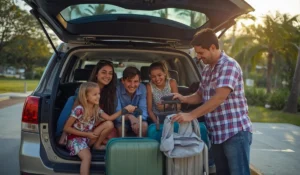
If you’re traveling with children, multiple bags, or sports equipment, the convenience of a private vehicle cannot be overstated. No carrying suitcases onto crowded buses. No waiting on hot platforms. No negotiating with taxi drivers who may not have space for your surfboard.
Why Renting a Car Can Improve Your Trip
Beyond the practical benefits, a rental car transforms how you experience El Salvador’s famous hospitality and gastronomy. You can stop at family restaurants you’d never find on a tour itinerary. You can explore gastronomic routes that connect pupuserías, seafood shacks, and coffee farms.
👉 Find the right vehicle for your adventure: Compare rental options
Can You Travel Around El Salvador Without a Car?
Yes, but with limitations. Here’s how each alternative works.
Using Uber in El Salvador
Uber operates reliably in San Salvador and some surrounding areas. It’s safe, affordable, and cashless. A trip across the city typically costs $3–8 USD.
Limitations: Uber becomes unavailable or unreliable outside major cities. You cannot rely on Uber for the Ruta de las Flores, beach towns beyond La Libertad, or volcano visits.
Public Transportation in El Salvador
The famous “chicken buses” (colorful former US school buses) cost as little as $0.25–0.50 per ride. They go nearly everywhere, but:
- They’re often crowded
- Schedules are unpredictable
- You’ll need basic Spanish
- Luggage space is minimal
- Safety concerns increase at night
Direct buses between major cities (like San Salvador to Santa Ana) are more comfortable and cost around $1.50.
Tourist Shuttles and Private Transfers
Many hostels and tour agencies offer shared shuttles between popular destinations. A shuttle from San Salvador to El Tunco might cost $10–15 per person. Private transfers for your group cost $50–100 per trip.
Pros: Door-to-door service, no navigation stress, air conditioning.
Cons: Fixed schedules, less flexibility, can become expensive for multiple trips.
Organized Tours and Day Trips
For travelers who prefer structure, tours in El Salvador offer excellent value. A full-day volcano tour including transportation, guide, and lunch might cost $40–60 per person. For many visitors, this is simpler than renting and driving themselves.
Renting a Car vs Uber in El Salvador
Cost Comparison
| Scenario | Rental Car (daily) | Uber (equivalent trips) |
|---|---|---|
| 1 day exploring San Salvador | $35 + fuel | $15–20 (city only) |
| 1 day trip to La Libertad beaches | $35 + fuel | $40–50 round trip |
| 3-day Ruta de las Flores road trip | $105 + fuel + parking | Not feasible |
| Full week exploring multiple regions | $245 + fuel | $200+ (but limited destinations) |
Convenience Comparison
Rental car wins for: Multiple stops, early morning departures, remote destinations, carrying luggage/gear, family travel.
Uber wins for: Short city trips, nights out (no parking worries), avoiding driving stress in heavy traffic.
Availability Outside Major Cities
Uber coverage drops significantly once you leave the San Salvador metropolitan area. In beach towns like El Tunco, you might find a ride to nearby spots, but don’t count on it. The Ruta de las Flores, Santa Ana, Suchitoto, and eastern beaches have no Uber service.
Which Option Is Better for Most Tourists?
For 3+ days exploring beyond San Salvador: rent a car.
For a city-only stay or 1–2 day trip: stick with Uber + one shuttle/tour.
Is It Safe to Drive in El Salvador?
This is the most common concern, and it deserves an honest, data-driven answer.
Current Road Conditions
The main highways—CA-2 (coastal highway), the Comalapa Airport highway, and roads connecting major cities—are in good to excellent condition. However:
- Secondary roads can have potholes
- Mountain roads to volcanoes like Santa Ana require caution
- During rainy season (May–October), some unpaved roads become difficult or impassable without 4×4
Driving Rules Tourists Should Know
- Cero tolerancia (zero tolerance) for drinking and driving – Fines start at $150 with license suspension.
- Photo radar (fotomultas) is active on the Comalapa highway, Boulevard Monseñor Romero, and the road to La Libertad.
- Seat belts are mandatory for all passengers.
- Speed limits: 50 km/h in cities, 80–100 km/h on highways.
- Right on red is allowed unless a sign prohibits it.
Common Challenges for Foreign Drivers
| Challenge | Mitigation |
|---|---|
| Aggressive driving from some locals | Stay in the right lane, don’t feel pressured to speed |
| Motorcycles weaving through traffic | Check mirrors constantly before changing lanes |
| Unmarked speed bumps (tumulos) in towns | Watch for painted warnings or sudden changes in road surface |
| Cattle or dogs on rural roads | Drive slowly at dawn/dusk, be alert |
| GPS signal loss in remote areas | Download offline maps via Waze or Google Maps |
Tips for Driving Safely in El Salvador
- Drive only during daylight – Especially on unfamiliar routes. Aim to be at your destination by 6 PM.
- Use Waze – It’s more accurate than Google Maps for road closures, police presence, and hazards in El Salvador.
- Keep doors locked and windows up – Especially at traffic lights in San Salvador.
- Never leave valuables visible – Use the trunk. Petty theft from parked cars occurs.
- Have cash for tolls – Toll roads cost $0.50–2. Keep small bills handy.
- Pull over for police or military checkpoints – They’re common on highways and are for your safety. Stay calm, roll down your window, and follow instructions.
For detailed safe tourism tips, read this complete guide.
Best Places to Visit With a Rental Car in El Salvador
Having your own car unlocks these incredible destinations:
Ruta de las Flores
This 40-kilometer route connects picturesque mountain towns known for colonial architecture, coffee farms, and weekend flower festivals. Stop in Juayúa (famous for its food fair), Apaneca (zip-lining and waterfalls), and Ataco (murals and art galleries). Explore the complete guide to traveling the Ruta de las Flores.
Santa Ana Volcano and Cerro Verde National Park
The hike to the crater of El Salvador’s highest volcano (2,381 meters) is a must-do. The parking area at Cerro Verde is well-maintained, and having a car means you can do the morning hike, then drive 20 minutes to Lake Coatepeque for lunch. Plan your visit to Cerro Verde National Park.
Lake Coatepeque (Lago de Coatepeque)
This stunning crater lake is a 20-minute drive from the volcano. The best restaurants and lake clubs are spread around the shore—much easier to access with a car. Everything you need to know about Lake Coatepeque.
Suchitoto
A colonial gem on the shores of Lago Suchitlán. While you can take a bus, having a car lets you explore nearby birdwatching trails and arrive for sunrise over the lake. Discover colonial tourism in Suchitoto.
El Zonte and Surf City
The stretch of coast from La Libertad to El Zonte has dozens of surf breaks and beach towns. With a car, you can check conditions at multiple spots and choose the best waves each day.
El Boquerón National Park
Just 20 minutes above San Salvador, this volcano crater park is a quick escape from the city—easily reached with your rental.
Hidden Beaches and Less-Visited Destinations
- Playa Las Flores (eastern El Salvador) – Consistent waves, far fewer crowds.
- San Miguel – The country’s second-largest city with rich culture. Complete travel guide to San Miguel.
- Birdwatching routes – El Salvador has over 500 bird species. Best destinations for nature and bird tourism.
👉 Start planning your road trip: Book your 4×4 or SUV here
Best Places You Can Visit Without a Car
You can still have a great trip without renting. Here’s where:
San Salvador
The capital has museums, markets, restaurants, and nightlife. Use Uber to get around. Key attractions within reach: National Palace, El Rosario Church, Anthropology Museum, and Multiplaza shopping center.
El Tunco
This famous surf town is the most accessible beach destination without a car. Shuttles run frequently from the airport and San Salvador. Once there, everything is walkable. Compare El Tunco vs El Sunzal beaches to decide which suits you.
La Libertad
The main fishing port and surf hub is reachable by bus or Uber from San Salvador ($15–20). The malecon (boardwalk) has great seafood restaurants.
Popular Guided Tours
Day tours from San Salvador cover the volcano, Ruta de las Flores, and Suchitoto. You’ll join a group, visit the highlights, and return the same day—no driving required.
Destinations Accessible by Uber
- San Salvador ↔ La Libertad ($15–20)
- San Salvador ↔ El Tunco ($20–25)
- San Salvador ↔ Santa Ana ($35–45, but harder to find return trip)
How Much Does It Cost to Rent a Car in El Salvador?
Average Daily Rental Rates (2026)
| Vehicle Type | Low Season (May–Oct) | High Season (Nov–Apr) |
|---|---|---|
| Economy car (Suzuki Alto, Hyundai Grand i10) | $30–35 | $40–50 |
| Mid-size SUV (Kia Sportage, Hyundai Creta) | $50–60 | $70–85 |
| Large SUV / Pick-up (Nissan NP300, Toyota Hilux) | $55–70 | $80–100 |
Prices from international agencies like Enterprise, Europcar, Budget.
Insurance Costs (Traditional Agencies)
| Coverage | Approximate Daily Cost | Required? |
|---|---|---|
| Third Party Liability (TPL) | $17 + tax | Yes (mandatory by law) |
| Loss Damage Waiver (LDW) | $35 + tax | Highly recommended |
| Zero Deductible (add-on) | $16 + tax | Optional |
| Roadside Assistance | $7 + tax | Optional |
Total with mandatory TPL + LDW: around $52–67 per day extra on top of the base rental rate.
Fuel Costs
Gasoline costs approximately $4.20–4.50 per gallon in El Salvador (prices fluctuate with global markets). A compact car will cost about $20–30 for a full tank. Expect to spend $5–15 per day on fuel depending on driving distance.
Toll Roads and Parking Expenses
- Tolls (peajes): $0.50–2 per pass. The main toll road is on the Comalapa Airport highway. Have coins and small bills.
- Parking: Most hotels offer free parking. In San Salvador, paid lots cost $1–2 per hour. Beach parking is usually free or $1–2 for the day.
Hidden Fees Travelers Should Watch Out For
Traditional rental agencies often surprise customers with:
| Hidden Fee | Typical Cost | How to Avoid |
|---|---|---|
| Young driver fee (under 25) | $15–20/day | Rent with Carvi (no age surcharge) |
| Airport concession fee | 10-15% of total | Pick up off-airport if possible |
| Fuel service charge | $10–20 + inflated gas price | Return with full tank, take proof photo |
| Late return fee | 1–2 days additional charge | Confirm grace period in writing |
| Cleaning fee | $25–50 for excess dirt | Return car reasonably clean |
| Deposit hold on credit card | $500–1,000+ | Use rental without deposit option |
Ways to Save Money on Car Rentals
- Book in advance – Last-minute rentals cost 30-50% more.
- Rent for a full week – Daily rates drop significantly for 7+ day rentals.
- Use peer-to-peer platforms like Carvi – No deposit, no hidden fees, insurance included.
- Decline redundant coverage – If your credit card offers LDW, you may not need the agency’s version (but you still need TPL, which cards don’t cover).
- Pick up outside the airport – Airport locations add fees. A car rental in San Salvador city may be cheaper.
Why Travelers Are Choosing Carvi Instead of Traditional Rental Companies
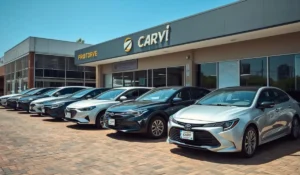
After understanding the costs and hassles above, many travelers switch to Carvi, a peer-to-peer platform that works like “Airbnb for cars.” Here’s what makes it different:
| Feature | Traditional Agency | Carvi |
|---|---|---|
| Security deposit | $500–1,000+ held on credit card | $0 – no deposit required |
| Insurance | Extra $52–67/day for TPL+LDW | All necessary insurance included |
| Payment method | Credit card only | Credit or debit card accepted |
| Booking time | 30–45 minutes at counter | 3–5 minutes online |
| Vehicle selection | “Category or similar” – you don’t see exact car | Real photos of exact vehicle |
| Customer service | 1-800 numbers, often outsourced | Direct contact with local host + 24/7 support |
| Flexibility | Strict return policies | Agree on delivery location (airport, hotel, Airbnb) |
Learn more about:
- Car rental without a credit card
- Theft insurance for car rentals
- How the peer-to-peer rental model works
👉 Ready to skip the deposit and the line? Reserve your vehicle with Carvi now
When Renting a Car in El Salvador Is Worth It
One-Week Itineraries
A 7-day trip that includes San Salvador (2 days), Ruta de las Flores (2 days), Santa Ana volcano + Coatepeque (1 day), and beaches (2 days) is a perfect match for a rental car. You’ll save hours compared to coordinating shuttles and buses.
Family Vacations
With kids, flexibility is everything. A rental car means you can adjust nap schedules, carry snacks and entertainment, and keep the whole group comfortable. Find family-friendly restaurants along your route for easy meal stops.
Surf Trips
Surfing requires mobility to chase swell conditions. A pick-up truck or SUV with roof racks lets you visit multiple breaks and carry boards safely. Complete surf guide for El Salvador recommends having a vehicle for the best experience.
Adventure Travel
Hiking volcanoes, zip-lining through cloud forests, canyoning near Apaneca, and birdwatching in mangroves—these activities are scattered across the country. A car makes multi-sport days possible.
Digital Nomads Exploring the Country
Working remotely from El Salvador for a month or more? A long-term rental (often available at discounted weekly/monthly rates) lets you change scenery whenever you want. Coffee shops in Ataco, beachfront cafes in El Zonte, and co-working spaces in San Salvador are all a drive apart.
Multi-Destination Road Trips
The beauty of El Salvador is that you can reasonably visit 5-6 distinct regions in 10 days. A car is the only practical way to do this without spending half your trip waiting for connections.
When You Probably Don’t Need a Car in El Salvador
Staying Only in San Salvador
If your trip revolves around the capital—museums, restaurants, shopping, nightlife—Uber and walking cover everything. Rent a car in San Salvador city only if you plan day trips outward.
Short Weekend Visits
For a 2-3 day trip, the overhead of picking up and returning a car (especially at the airport) may not be worth it. Focus on one destination reachable by shuttle or Uber.
Travelers Joining Organized Tours
Many travelers prefer the simplicity of all-inclusive tours. You pay one price, get picked up at your hotel, and don’t think about logistics. This is particularly popular for volcano hikes and Ruta de las Flores day trips from San Salvador.
Budget Travelers Using Public Transportation
If your goal is to spend as little as possible, the $0.25 chicken bus is your friend. You’ll need patience, flexibility, and Spanish—but your wallet will thank you.
Frequently Asked Questions
Can I Drive in El Salvador With a US Driver’s License?
Yes. A valid driver’s license from your home country is accepted for up to 30 days. If your license is not in Spanish or uses non-Latin characters (e.g., Japanese, Arabic, Cyrillic), carry an International Driving Permit (IDP) as a translation. For longer stays, you may need to obtain a local license.
Is a 4×4 Necessary in El Salvador?
No for most travelers. Sedans and compact cars handle the main highways, Ruta de las Flores, and paved roads to major attractions. However, consider a 4×4 if:
- You’re visiting in rainy season (May–October)
- You plan to explore remote beaches in Usulután or Morazán
- You want to drive up to the Santa Ana volcano trailhead (rough road)
- You’re carrying surfboards or heavy gear
Browse 4×4 rental options here.
Is Uber Available Throughout the Country?
No. Uber operates reliably in San Salvador and can take you to nearby destinations like La Libertad or El Tunco (though return trips can be hard to find). Outside the capital and its immediate suburbs, Uber does not function. For the Ruta de las Flores, Santa Ana, Suchitoto, or eastern beaches, do not rely on Uber.
Is Renting a Car Better Than Taking Tours?
For flexibility and value per person in a group: yes.
For solo travelers who want simplicity and a guide’s local knowledge: tours can be better.
A rental car shines when you have 2+ people and want to set your own pace. Tours make sense for solo travelers, those who prefer not to navigate, or when you want a guide’s historical/cultural context.
What Is the Cheapest Way to Get Around El Salvador?
Public buses (chicken buses) at $0.25–0.50 per ride. Direct buses between cities cost around $1.50. However, “cheapest” doesn’t mean “best for your trip.” Factor in your time, comfort, and destinations.
How Far Apart Are the Main Tourist Attractions?
| Route | Driving Time |
|---|---|
| San Salvador Airport → El Tunco | 45–60 minutes |
| San Salvador → Ruta de las Flores (Juayúa) | 1 hour 15 minutes |
| San Salvador → Santa Ana volcano | 1 hour 20 minutes |
| Santa Ana → Lake Coatepeque | 20 minutes |
| Ruta de las Flores → El Tunco (coastal route) | 1 hour 30 minutes |
| San Salvador → Suchitoto | 50 minutes |
View a full guide to tourist attractions in El Salvador with distances and recommended itineraries.
Is Parking Easy in El Salvador?
Generally yes. Most hotels offer free, secured parking. Tourist sites like El Boquerón, Cerro Verde, and major beaches have designated parking areas. In San Salvador, use paid lots ($1–2/hour) rather than street parking. Never leave valuables visible in your parked car anywhere in the country.
Can I Pick Up a Rental Car at the Airport?
Yes. All major agencies have counters at El Salvador International Airport (SAL). However, expect longer waits and higher fees than off-airport locations. With Carvi, you coordinate directly with the host for delivery to the airport arrivals area—no counter required.
Final Verdict: Do You Need a Car in El Salvador?
After reviewing costs, safety considerations, destination accessibility, and traveler testimonials, here’s the bottom line:
The Best Option for Budget Travelers
Skip the car. Use direct buses between major cities ($1.50) and chicken buses for shorter trips. Stay in hostels that organize shuttles for day tours. Expect to move slower but spend very little.
The Best Option for Families
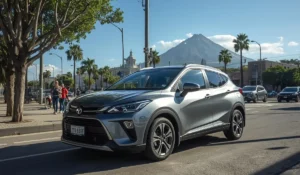
Rent a car – specifically a compact or mid-size SUV for space and safety. The convenience of having child seats, all your luggage, and the ability to stop whenever kids need a break is worth every dollar. Consider rental without credit card or deposit to avoid large fund holds.
The Best Option for Adventure Travelers
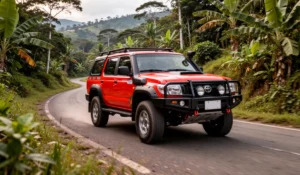
Rent a 4×4 or high-clearance SUV. You’ll access remote trailheads, hidden beaches, and mountain towns that tour buses can’t reach. The flexibility to chase sunrise hikes or sunset surf sessions is invaluable.
The Best Option for Digital Nomads
Rent a car long-term (monthly rates are often heavily discounted). A car transforms El Salvador into your office with views. Work from a different town each week, find the best coffee shops, and explore on weekends.
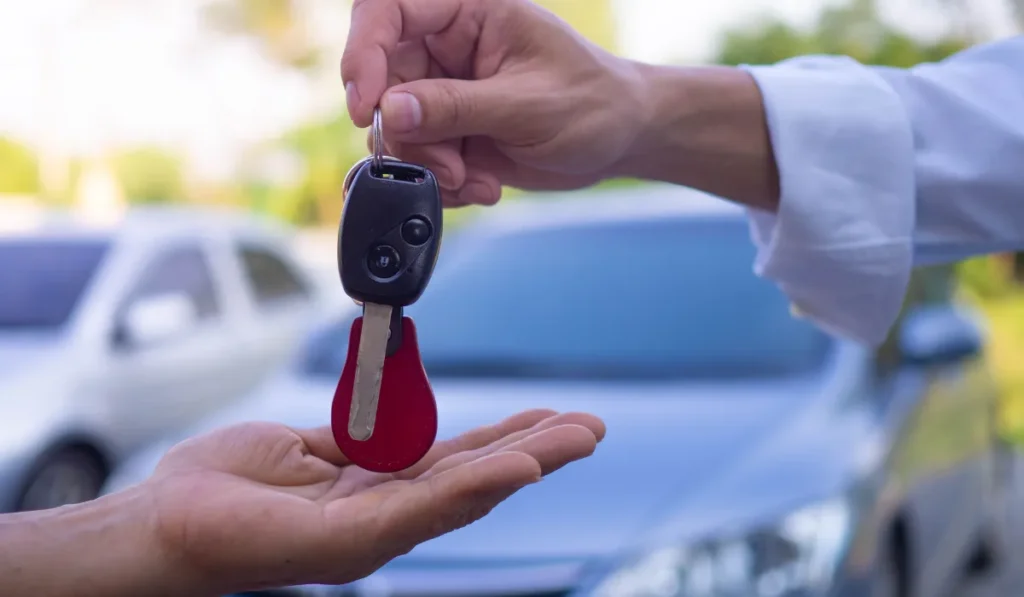
Why Renting a Car Can Be the Smartest Choice for Exploring El Salvador
To answer the question “do I need a car in El Salvador” directly: If you want to see more than one region, travel with family, surf multiple breaks, or simply enjoy the freedom of an unhurried, self-directed vacation—yes, you should rent a car.
The country’s compact size (smaller than Massachusetts) means you can experience incredible diversity in a short time. The road network connecting major attractions is good. And new rental models have eliminated the traditional headaches of deposits, hidden fees, and insurance confusion.
For most first-time visitors staying 5+ days and wanting to see volcanoes, colonial towns, and beaches, a rental car is not just convenient—it transforms a good trip into an unforgettable one.
🚗 Ready to Explore El Salvador on Your Own Schedule?
You’ve read the guide. You’ve compared the options. Now it’s time to make your trip happen.
Whether you need a simple economy car for city exploring, a family SUV for the Ruta de las Flores, or a rugged 4×4 for remote beaches, booking is easier than you think.
Skip the deposit. Avoid the lines. Get insurance included.
👉 Compare Vehicles, Check Availability, and Book Online With Carvi Today
Additional resources for your trip:
- Tourist places in El Salvador – complete map and guide
- Best beaches to visit by car
- Magical towns of El Salvador
- Gastronomic tourism – food routes across the country
- Tourism as an investment in El Salvador – insights for digital nomads and expats
Share this content:



Post Comment